A Comprehensive Guide to AI Risk Management
Understanding strategies for mitigating AI risks.
As organizations increasingly adopt artificial intelligence technologies, the necessity for a robust risk management framework becomes paramount. AI systems present unique challenges that can have significant implications on privacy, security, and ethical considerations. Understanding the various risks associated with AI and the best practices for managing them is critical for organizations aiming for responsible deployment. This guide provides a comprehensive overview of strategies to mitigate AI risks, ensuring that organizations can harness the benefits of AI while minimizing potential pitfalls.
The landscape of AI is continuously evolving, making it essential for organizations to stay informed and proactive.
Understanding AI Risks
AI technologies introduce a range of risks that can broadly be categorized into operational, compliance, and reputational risks. Operational risks arise from the potential failures of AI systems, including inaccuracies in decision-making processes or unintended consequences of automated actions. These risks can lead to significant operational disruptions or financial losses. For example, an AI system used for credit scoring may inadvertently discriminate against certain demographic groups, resulting in legal implications and public backlash.
“Effective risk management is not just about avoiding risks; it’s about understanding them to make informed decisions.”

Compliance risks are linked to the growing body of regulations governing the use of AI. As governments and regulatory bodies establish stricter guidelines, organizations must ensure that their AI practices comply with these evolving standards. Failure to do so can lead to substantial fines and damage to an organization’s reputation. This is particularly relevant in sectors such as finance and healthcare, where the stakes are high and regulatory scrutiny is intense.
Reputational risks stem from public perception and trust, which can be severely impacted by the misuse or mishandling of AI technologies. Instances of biased algorithms or data breaches can erode stakeholder trust and result in long-term damage to brand reputation. Therefore, understanding and addressing these risks is essential for maintaining stakeholder confidence and protecting the organization’s standing in the marketplace.
Best Practices for AI Risk Management
To effectively manage AI-related risks, organizations should adopt a structured approach that includes identifying, assessing, and mitigating these risks. This begins with a thorough risk assessment that evaluates how AI systems are developed, deployed, and monitored. Organizations should establish a cross-functional team that includes stakeholders from legal, compliance, IT, and operations to ensure a comprehensive understanding of the risks involved.
Once risks are identified, organizations can implement mitigation strategies. This may involve developing robust governance frameworks that outline clear policies and procedures for AI use. These frameworks should include guidelines for ethical AI development, data management practices, and transparency measures. By fostering a culture of accountability, organizations can ensure that AI technologies are deployed responsibly and ethically.

Training and awareness are also crucial components of AI risk management. Employees should be educated about the potential risks associated with AI and trained on the organization’s governance policies. This proactive approach can help cultivate a risk-aware culture where employees are encouraged to report concerns and contribute to ongoing risk assessments.
Leveraging Technology for Risk Management
Technology can play a pivotal role in enhancing AI risk management efforts. Advanced analytics and machine learning algorithms can be utilized to proactively identify anomalies and potential risks within AI systems. For instance, employing monitoring tools that continuously evaluate the performance of AI models can help detect biases or inaccuracies in real-time. Such proactive measures allow organizations to swiftly address issues before they escalate into more significant problems.
Additionally, organizations can leverage blockchain technology to enhance transparency and traceability in AI processes. By providing an immutable record of data usage and decision-making processes, blockchain can help organizations ensure compliance with regulatory requirements and bolster stakeholder trust. This technological integration not only supports risk management but also aligns with broader governance objectives.
The Role of Ethics in AI Risk Management
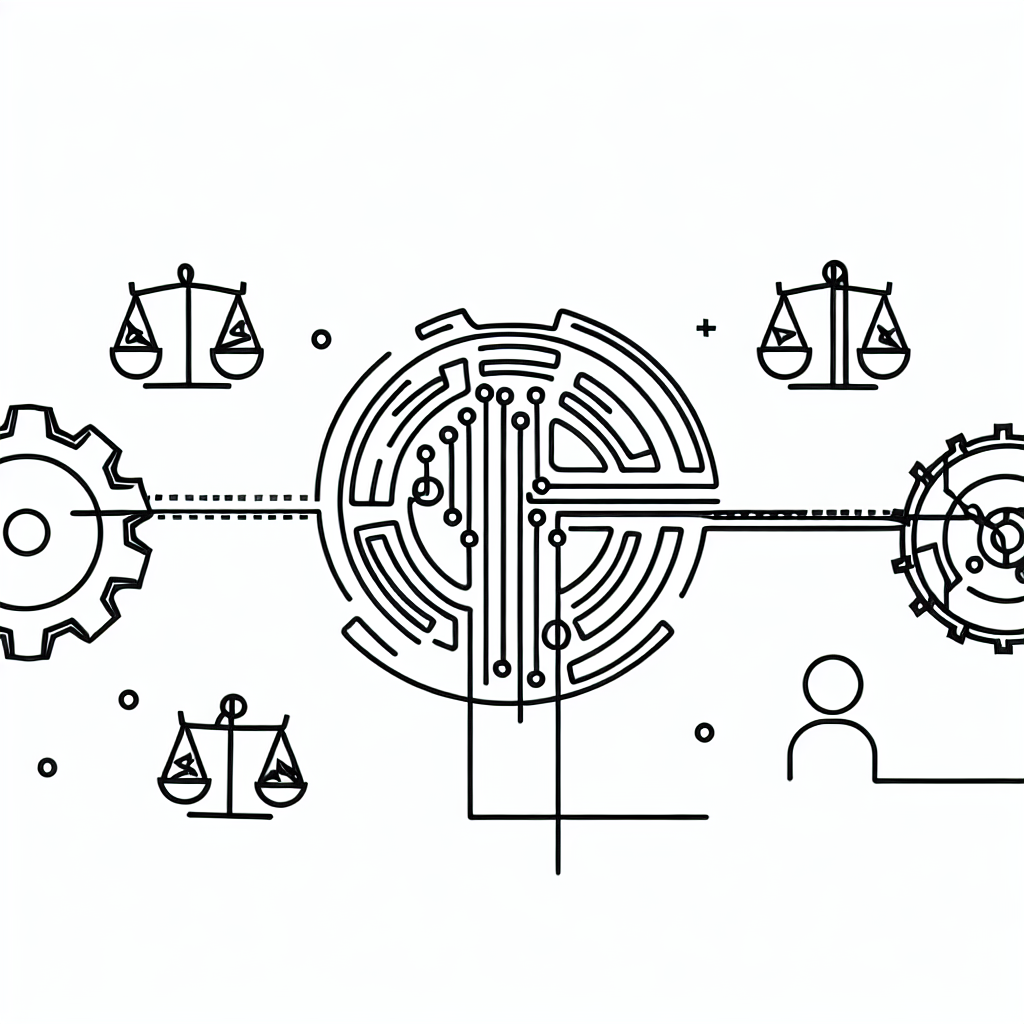
Ethics should be at the forefront of AI risk management strategies. As AI systems can significantly impact individuals and communities, ethical considerations must inform decision-making processes at every level. Organizations should establish ethical guidelines that govern AI development and usage, addressing issues such as fairness, accountability, and transparency.
Engaging with diverse stakeholders, including ethicists, community members, and industry experts, can provide valuable insights into the ethical implications of AI technologies. This collaborative approach ensures that multiple perspectives are considered, leading to more equitable and responsible AI outcomes.
“Ethical AI is not just a compliance issue; it is a fundamental aspect of building trust and accountability.”
Moreover, organizations should regularly review and update their ethical guidelines to adapt to the evolving landscape of AI technologies and societal expectations. This commitment to ethical practices not only mitigates risks but also reinforces an organization’s reputation as a responsible innovator.