A Guide to AI-Driven Change Management
Strategies for navigating organizational change with AI.
In today’s rapidly evolving business landscape, the integration of artificial intelligence (AI) into organizational processes presents significant opportunities as well as challenges. As organizations strive to remain competitive, the necessity for effective change management becomes paramount. This guide explores essential strategies that can help organizations navigate the complexities of change driven by AI adoption, ensuring a smoother transition and enhancing overall effectiveness. By understanding the nuances of AI change management, leaders can better prepare their teams and systems for the future.
Embracing change, particularly when it involves new technologies, can be daunting. However, with the right strategies, organizations can harness the power of AI while minimizing disruption.
Understanding AI-Driven Change
Change management refers to the structured approach used to ensure that changes are thoroughly and smoothly implemented. In the context of AI, this involves not only the adoption of new technologies but also the transformation of processes, roles, and culture within the organization. AI-driven change necessitates a comprehensive understanding of both technical and human factors.
Successful AI integration typically requires organizations to reassess their existing workflows, identify areas for improvement, and engage employees in the process. Research indicates that organizations that actively involve their workforce in the change process are more likely to experience successful outcomes. This engagement can take many forms, from training sessions aimed at upskilling employees to feedback mechanisms that allow them to voice concerns and suggestions.

“People are the backbone of any organization, and their involvement is crucial when implementing AI-driven changes.”
Furthermore, understanding the potential impacts of AI on various job functions is essential. While AI can enhance efficiency and productivity, it also raises concerns about job displacement. Organizations must communicate transparently about these changes, reassuring employees that upskilling and reskilling opportunities will be provided.
Creating a Change Management Framework
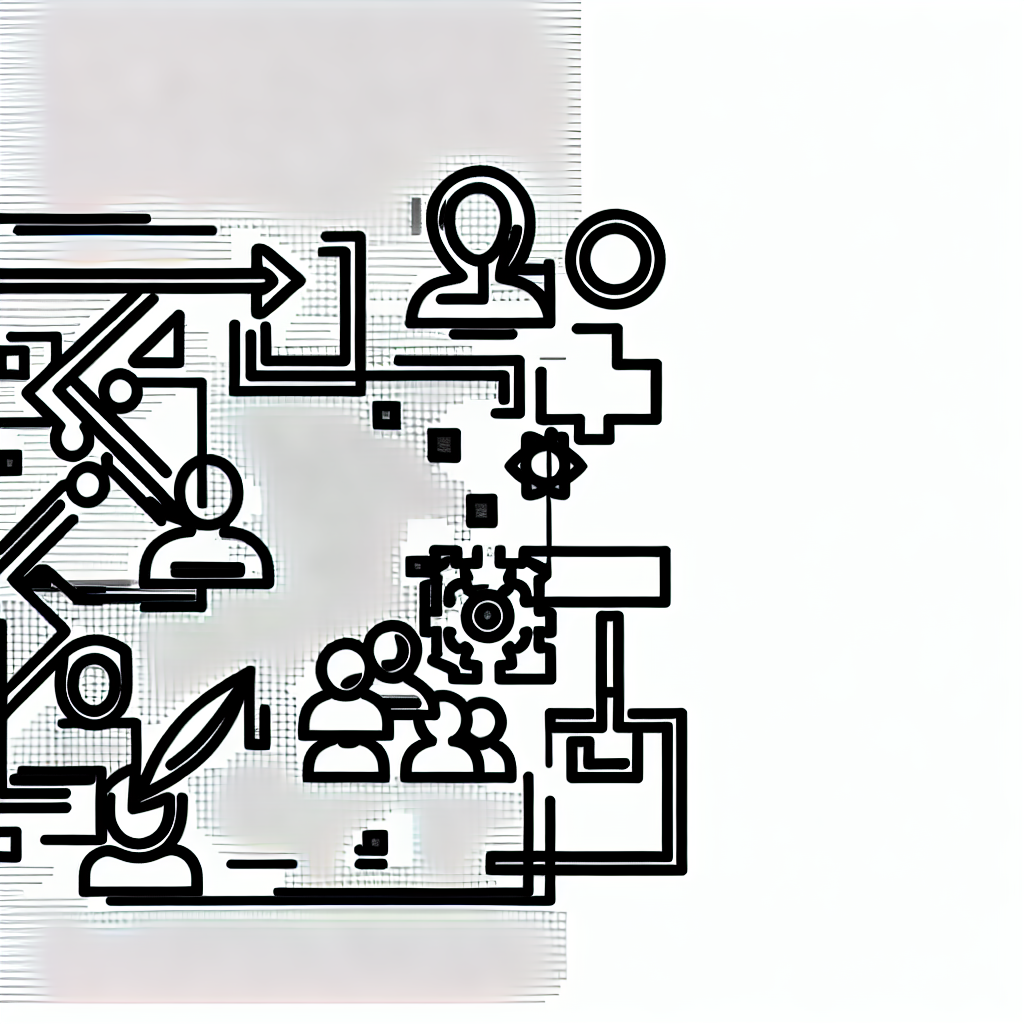
To effectively manage change, organizations should establish a robust change management framework tailored to their specific needs and goals. Such a framework typically includes the following components: clear objectives, stakeholder analysis, communication plans, and risk management strategies.
Setting clear objectives is vital; organizations should define what they hope to achieve with AI integration. This could range from automating repetitive tasks to enhancing customer experiences through personalized services. Stakeholder analysis helps identify key individuals and groups who will be affected by the change, ensuring their needs and concerns are addressed throughout the process.
Communication plans are critical for maintaining transparency and trust. Regular updates about the change process, including successes and challenges, can help manage expectations. Evidence suggests that organizations with strong communication strategies see higher levels of employee engagement and lower resistance to change.
Risk management strategies should also be an integral part of the framework. Identifying potential risks associated with AI implementation, such as data privacy concerns or technology failures, allows organizations to proactively address these issues and mitigate their impact.
Fostering a Culture of Innovation
For AI-driven change to be successful, organizations must cultivate a culture of innovation and adaptability. This involves encouraging employees to embrace new ideas and technologies rather than resisting them. Leadership plays a crucial role in fostering this culture. When leaders demonstrate a commitment to innovation through their actions and decisions, it sets a tone that encourages employees to follow suit.
Training and development programs are essential to equip employees with the skills necessary for navigating AI technologies. By investing in continuous learning, organizations empower their workforce to adapt to changes more effectively. Research indicates that organizations that prioritize employee development not only enhance job satisfaction but also increase overall performance.
Moreover, creating an environment where experimentation is encouraged can lead to valuable insights and breakthroughs. Allowing teams to test new ideas without the fear of failure can result in innovative solutions that drive the organization forward. This approach not only supports AI adoption but also enhances overall organizational resilience.
Measuring Success and Iterating

As organizations implement AI-driven changes, it is essential to measure success and iterate on strategies as necessary. Defining key performance indicators (KPIs) that align with the organization’s objectives will help track progress and assess the effectiveness of the change management efforts.
Monitoring these KPIs can provide insights into areas that may require adjustments. For instance, if employee engagement scores are low, it may signal the need for enhanced communication or additional training resources. Feedback loops are invaluable in this phase; actively seeking input from employees can uncover challenges that may not be visible to leadership.
“Continuous improvement is a hallmark of successful change management.”
Furthermore, organizations should be prepared to pivot their strategies based on the data collected. This means being flexible and responsive to the needs of employees and the market. Adopting an iterative approach to change management ensures that organizations remain agile in the face of evolving challenges and opportunities.